Robotic arm joints
The high metal-gear torque makes the MG996R a common choice for shoulder and elbow joints on multi-axis desktop arms and grippers.
High-torque metal-gear analog servo delivering up to 11 kgf·cm of stall torque at 6V under standard 50 Hz PWM control.
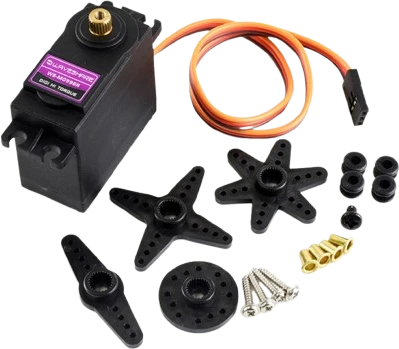
The MG996R is TowerPro's high-torque analog servo, the metal-gear upgrade to the popular MG995 class. This round-horn variant ships with a circular output disc and delivers a stall torque of about 9.4 kgf·cm at 4.8V and 11 kgf·cm at 6V, packed into a standard 40.7 x 19.7 x 42.9 mm case weighing roughly 55 g.
It uses the same three-wire interface as any hobby servo: VCC, GND, and a PWM signal line. Position is set by a 50 Hz pulse train (20 ms period) whose high time runs from about 1 ms to 2 ms, mapping across the servo's travel with a 5 microsecond dead band. Internally, a full metal gear train and dual ball bearings on the output shaft give it more durability and load capacity than plastic-gear servos.
The tradeoff for that torque is current. Running current sits in the hundreds of milliamps and stall current can reach about 2.5 A at 6V, so the MG996R needs a dedicated power supply rather than the host board's onboard regulator. Rated operating voltage spans 4.8V to 7.2V, with an operating temperature range of 0 to 55 degrees C.
| Pin | Function | Type |
|---|---|---|
VCC VCC (4.8-7.2V) | Power | Power in |
GND GND | Power | Power in |
SIG PWM Signal | PWM servo control pulse | Digital input |
Verified from the Tinkered component library · TowerPro.
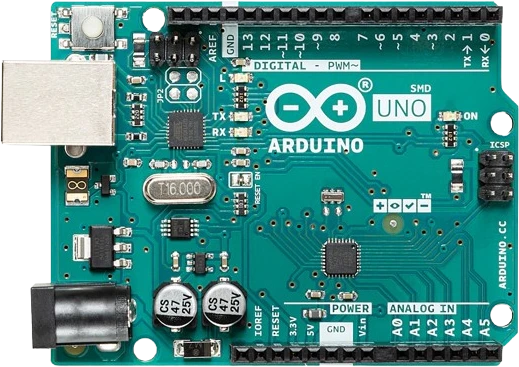
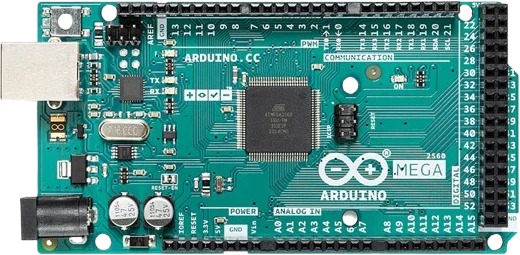
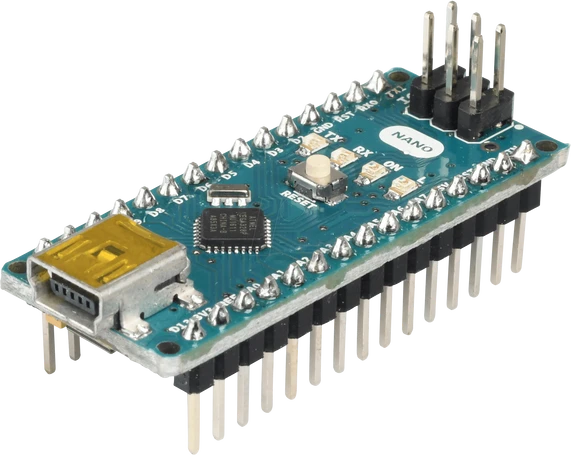
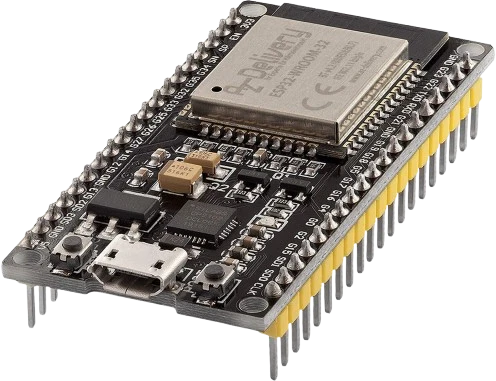
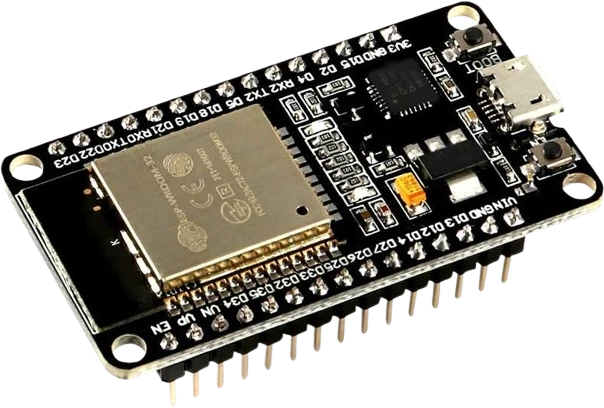
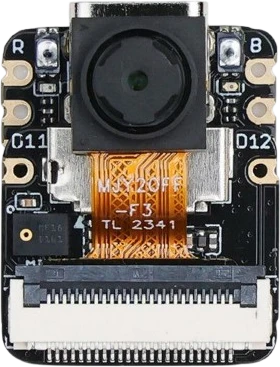
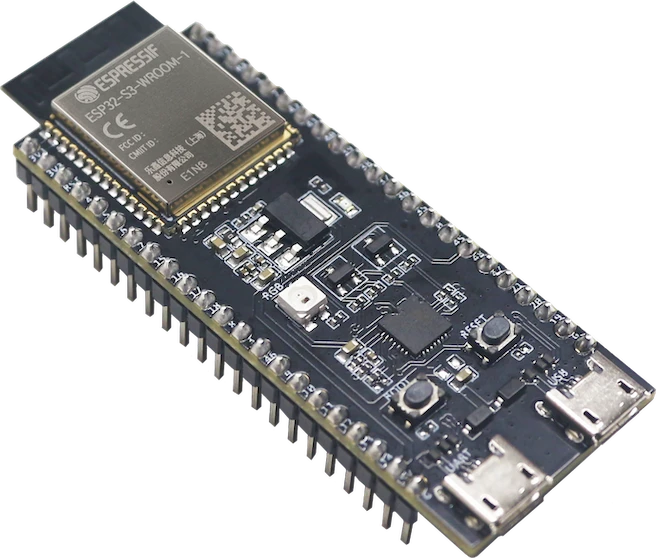
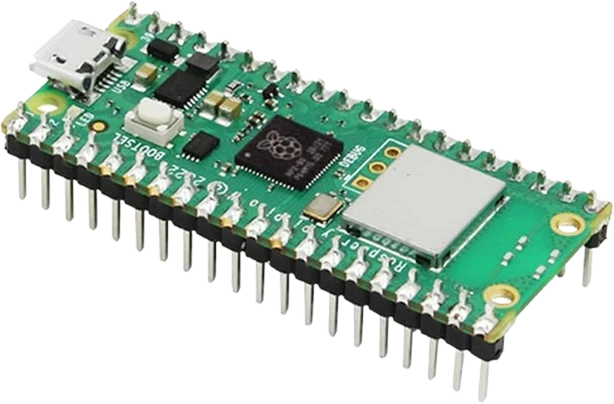
The MG996R Servo · Round Horn connects to any of the microcontrollers supported in Tinkered. Mind the 6 V logic level on 3.3 V boards.
The onboard regulator cannot supply the MG996R's stall current of around 2.5A. Doing so sags the rail and randomly resets the board. Use a separate 5-6V supply.
When the servo runs off its own supply, the supply ground must connect to the controller ground. Without a shared reference the PWM signal is meaningless and the servo twitches or stays dead.
The absolute maximum is 7.2V. A charged 2S pack reads up to 8.4V, over the rating, and can cook the servo electronics. Use a 5-6V regulated supply or a UBEC.
As an analog servo the MG996R's reliable travel is closer to about 120 degrees, and unit-to-unit endpoints vary. Commanding hard 0 or 180 can drive it into the mechanical stops and stall, drawing peak current.
Long, thin power leads and no decoupling capacitor let motion current spikes drop the rail, causing buzzing and hunting. Use adequate wire gauge and a bulk capacitor at the servo.
The high metal-gear torque makes the MG996R a common choice for shoulder and elbow joints on multi-axis desktop arms and grippers.
A pair of MG996R servos builds a sturdy two-axis pan-tilt head for cameras, sensors, or laser turrets.
Its torque and metal gears hold up to the shock loads of RC car steering and large control surfaces.
Hexapod and quadruped builds use banks of MG996R servos for leg actuation where each joint must lift chassis weight.
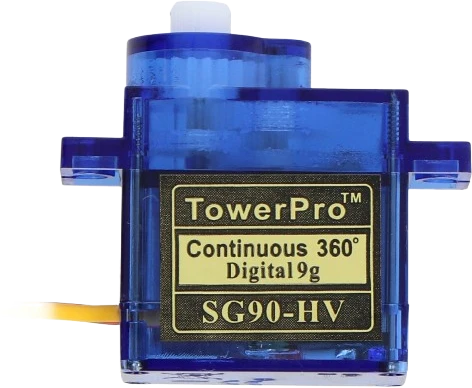
servo-sg90Compact positional servo
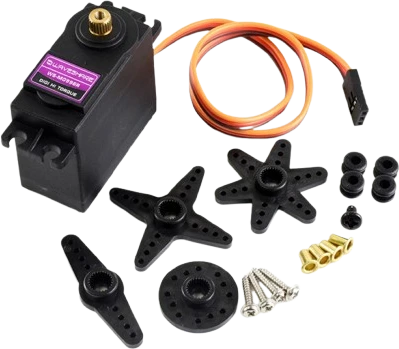
servo-mg996r-straightHigh-torque servo variant
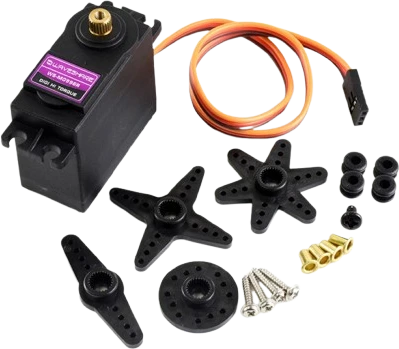
servo-mg996r-crossHigh-torque servo variant
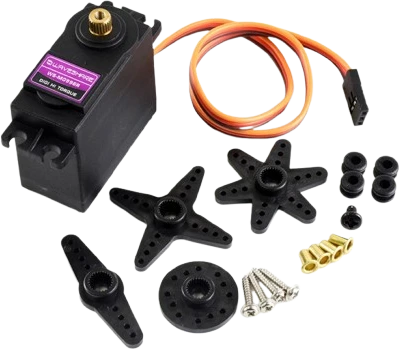
servo-mg996r-starHigh-torque servo variant
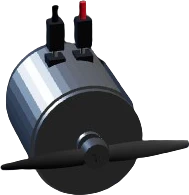
dc-motorBrushed direct-current motor
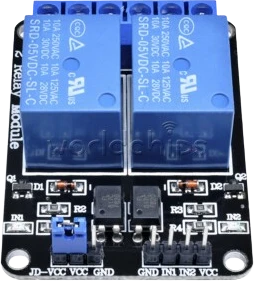
relay-5vElectromechanical switch
Drop the MG996R Servo · Round Horn into a circuit, write firmware, and simulate it in your browser, then deploy to real hardware. All in one editable Tinkered project.